


Electric Infrared Heaters
Commercial & Industrial
Electric Infrared Heaters
Targeted Radiant Heat for Commercial & Industrial Applications
Michigan Mechanical Systems provides commercial and industrial electric infrared heaters designed to deliver heat directly where it is needed.
Unlike conventional forced-air systems that primarily heat the surrounding air, electric infrared heaters use radiant energy to warm people, equipment, floors and other surfaces within the targeted area.
This makes electric infrared heating particularly useful for spot heating, zone heating and applications where heating an entire building or large volume of air may be unnecessary.
Electric Infrared Heating for Industrial Facilities
Put Heat Where Your Facility Needs It
Large industrial buildings often contain work areas with very different heating requirements.
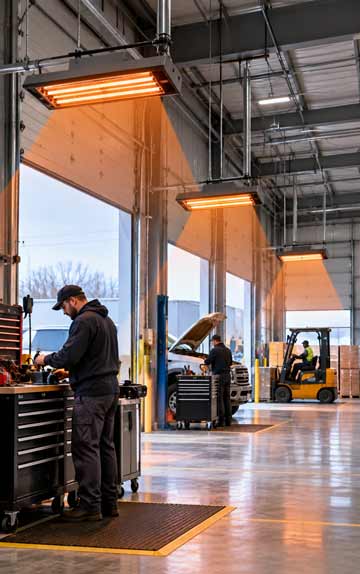
Rather than maintaining the same temperature throughout an entire warehouse or manufacturing facility, electric infrared heaters can be positioned to provide targeted heat to specific occupied areas.
Typical applications may include:
- Manufacturing workstations
- Warehouses and distribution centers
- Loading and shipping areas
- Automotive service facilities
- Maintenance shops
- Aircraft and equipment hangars
- Fire and emergency vehicle stations
- Pump houses and utility areas
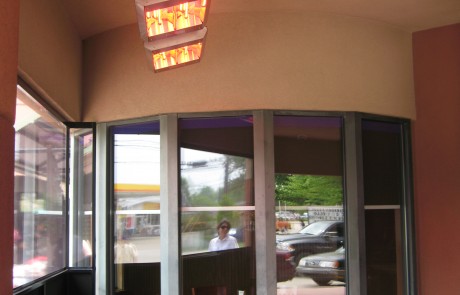
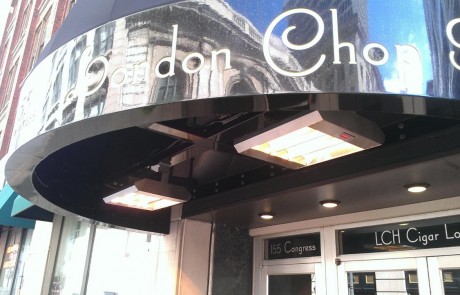
- Building entrances
- Commercial service areas
- Indoor recreational facilities
- Selected outdoor or semi-enclosed areas
Spot & Zone Heating
Heat the Areas Being Used
One of the advantages of electric infrared heating is the ability to create individual heating zones.
A workstation, service bay, loading area or other occupied location can receive radiant heat without necessarily increasing the temperature throughout the entire building.
This can be especially useful in facilities with high ceilings, large open spaces, intermittent occupancy or areas where overhead doors frequently open and close.
Individual heaters or groups of heaters can also be controlled based on occupancy and operating schedules, allowing the heating strategy to better match how the facility is actually used.
Selecting the Right Electric Infrared Heater
Heater Type, Mounting & Coverage Matter
Effective electric infrared heating begins with understanding the area that needs to be heated.
Simply selecting the highest-output heater does not necessarily provide the best solution. Heater placement, mounting height and radiant coverage all influence system performance.
Important considerations may include:
- Size of the area being heated
- Ceiling and mounting height
- Desired heating coverage
- Indoor or outdoor application
- Building insulation
- Air movement and drafts
- Overhead door locations
- Occupancy patterns
- Available voltage and electrical capacity
- Heater wattage
- Controls and zoning
- Clearances from surrounding materials
- Lighting, sprinklers and overhead equipment
Michigan Mechanical Systems can help evaluate these factors and identify an electric infrared heating solution appropriate for the facility and application.
Electric Infrared for New Construction & HVAC Upgrades
Add Flexible Radiant Heating to Your Mechanical Strategy
Electric infrared heating can be incorporated into new construction or considered during an upgrade of an existing commercial or industrial facility.
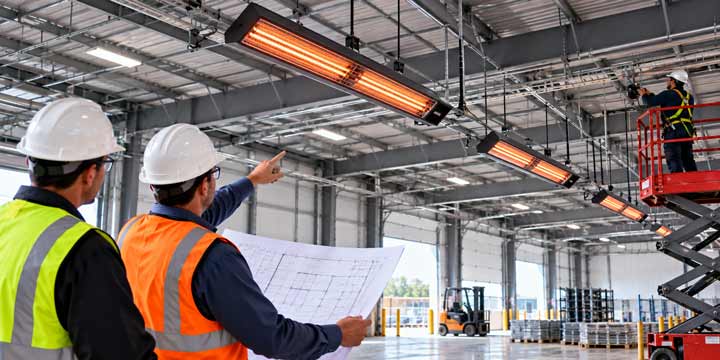
During new construction, heater locations, mounting heights, electrical requirements and controls can be coordinated with lighting, sprinklers, overhead doors, cranes, storage racks and other building systems.
For existing facilities, electric infrared heaters can be used to add heat to previously unheated areas, improve comfort at specific workstations, or replace aging heating equipment.
They can also be considered when a facility is evaluating alternatives to combustion-based heating equipment.
Part of a Complete Industrial Heating Solution
Choose the Right Heating Technology for the Application
Electric infrared heating is one of several ways to address commercial and industrial heating requirements.
Depending on the building, operating conditions and available energy sources, a facility may benefit from electric infrared heaters, gas-fired infrared heaters, unit heaters or a combination of heating technologies.
Michigan Mechanical Systems can look at the larger mechanical system and help determine which approach makes the most sense for different areas of the facility.
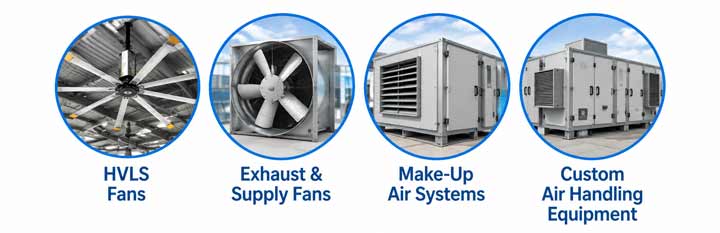
Electric infrared heaters can also be coordinated with HVLS fans, make-up air systems, exhaust and supply fans, custom air handling equipment and other HVAC components as part of a more complete heating and ventilation strategy.
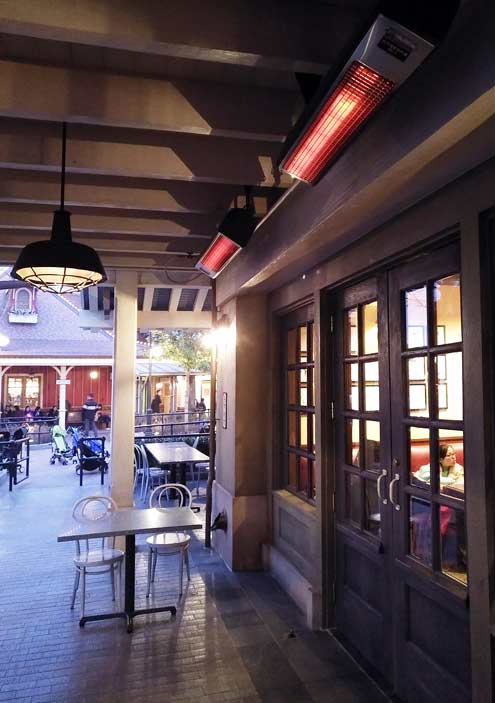
Your content goes here. Edit or remove this text inline or in the module Content settings. You can also style every aspect of this content in the module Design settings and even apply custom CSS to this text in the module Advanced settings.
How Electric Infrared Heating Works
Heat the Space That Matters — Not Just the Air
Electric infrared heaters convert electrical energy into radiant heat that travels from the heating element toward the surfaces and objects within its coverage area.
Once those surfaces absorb the radiant energy, they become warmer and can contribute to the overall comfort of the surrounding area.
Because radiant heating does not depend primarily on moving heated air throughout a building, it can be especially effective in large, open or high-bay spaces where traditional warm air may rise toward the ceiling.
No Combustion or Gas Supply Required
A Flexible Electric Heating Alternative
Electric infrared heating provides radiant heat without an on-site combustion process.
Because the heaters operate electrically, no natural gas or propane supply is required at the heater, and no combustion exhaust is produced by the heating process.
This can make electric infrared particularly useful in locations where extending gas piping may be difficult, where combustion-based equipment is not preferred, or where electric heating fits more naturally into the facility's mechanical and electrical strategy.
Electrical capacity, voltage, controls and available service should be evaluated when determining whether electric infrared heating is appropriate for the application.
Electric Infrared Heating for High-Bay Spaces
Keep the Heat Focused Near the Occupied Zone
Warehouses, manufacturing plants, hangars and other high-bay buildings can be challenging to heat because of their large interior volume.
With conventional warm-air heating, heated air can rise toward the ceiling, creating significant temperature differences between the roof and the occupied areas below.
Electric infrared heaters can be mounted overhead and directed toward the floor, workstations or other targeted areas.
This provides another option for delivering usable heat where people and equipment are located without relying entirely on heating and circulating the building's full air volume.
Need Targeted Heat for Your Facility?
Put Radiant Heat Where You Need It
Whether you're heating individual workstations, improving comfort in a high-bay facility or considering an electric alternative for a new or existing building, MMS can help you select the right electric infrared heating solution for your application.
Let's discuss your facility, heating requirements and operating conditions.
Put Radiant Heat Where You Need It
Whether you’re adding heat to individual work areas, upgrading an existing facility or planning a new commercial or industrial heating system, Michigan Mechanical Systems can help you select the right electric infrared heating solution for your application.
Let’s discuss your facility, heating requirements and operating conditions to determine the right approach.