


Energy Recovery Systems
Commercial & Industrial
Energy Recovery Systems
Recover Energy. Reduce HVAC Loads. Improve Ventilation Efficiency.
Michigan Mechanical Systems provides commercial and industrial energy recovery systems designed to capture energy that would otherwise be lost through building exhaust and use it to condition incoming outdoor air.
By transferring energy between exhaust and incoming air streams, an energy recovery system can reduce the heating or cooling required to bring outdoor ventilation air to the desired indoor conditions.
For commercial and industrial facilities requiring significant amounts of outside air, energy recovery can become an important part of an efficient HVAC and ventilation strategy.
Energy Recovery Ventilation Systems
Put Exhaust Air to Work Before It Leaves the Building
Ventilation systems routinely exhaust conditioned indoor air while replacing it with outdoor air. Although this exchange is necessary for many applications, valuable heating or cooling energy can leave the building along with the exhaust air.
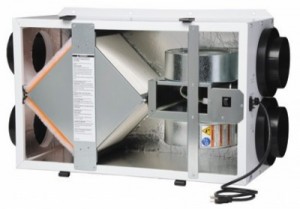
An energy recovery ventilation system captures a portion of that energy before the exhaust air leaves the facility and transfers it to the incoming outdoor air stream.
During colder conditions, recovered energy can help precondition cold outdoor air before it enters the HVAC system. During warmer conditions, the process can help reduce the cooling load associated with hot outdoor ventilation air.
The result is a more efficient approach to providing the fresh air your facility requires.
Reduce Heating & Cooling Loads
Make Better Use of Energy You're Already Paying For
Introducing outdoor air can represent a significant heating and cooling load, particularly in facilities requiring large quantities of ventilation air.
Instead of allowing conditioned exhaust air to leave the building without recovering its energy, an HVAC energy recovery system can transfer useful energy back into the incoming air stream.
Depending on the facility and application, energy recovery can help:
- Reduce outdoor-air heating loads
- Reduce cooling loads
- Improve overall HVAC efficiency
- Reduce wasted energy from exhaust air
- Support increased outdoor-air ventilation
- Improve temperature control
- Reduce demands on other HVAC equipment
- Support facility energy-efficiency goals
Selecting the Right
Energy Recovery System
Start with the Building and the Airflow Requirements
Successful energy recovery begins with understanding how the facility operates.
Important considerations may include:
- Supply and exhaust airflow requirements
- Outdoor-air requirements
- Building operating schedule
- Indoor and outdoor design temperatures
- Heating and cooling loads
- Exhaust-air conditions
- Humidity requirements
- Equipment location
- Available mechanical space
- Ductwork configuration
- Existing HVAC equipment
- Controls and building automation
- Maintenance and service access
Michigan Mechanical Systems can evaluate these factors to help identify an energy recovery solution appropriate for the facility and application.
Energy Recovery for New Construction & HVAC Upgrades
Build Efficiency into the Mechanical System
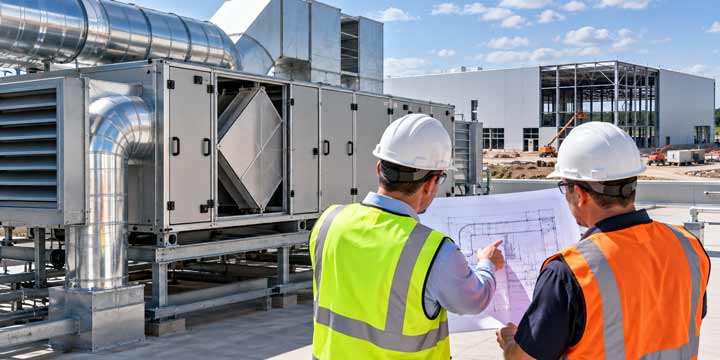
Energy recovery can be incorporated into new construction or considered during the modernization of an existing commercial or industrial HVAC system.
For new facilities, incorporating energy recovery during the design process allows the air-handling, exhaust, outdoor-air and control systems to be coordinated from the beginning.
Existing facilities may also benefit when replacing aging air-handling equipment, upgrading ventilation systems, increasing outdoor airflow or looking for opportunities to improve HVAC efficiency.
Energy Recovery as Part of a Complete HVAC System
Bringing Exhaust, Outdoor Air & Conditioning Together
An energy recovery system performs best when considered as part of the facility's complete air movement and HVAC strategy.
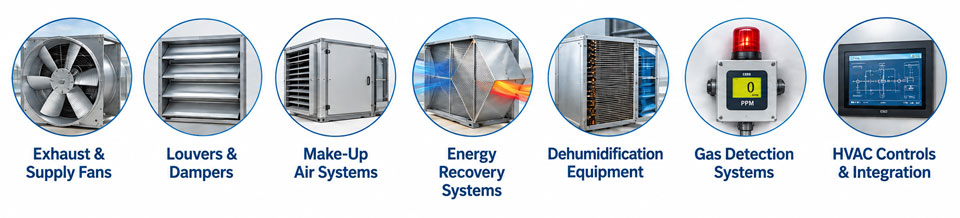 Michigan Mechanical Systems can coordinate energy recovery equipment with exhaust and supply fans, make-up air systems, custom air-handling units, louvers and dampers, heating equipment, cooling systems, and HVAC controls to create an integrated solution.
Rather than treating exhaust and outdoor air as separate functions, a coordinated system can help balance ventilation requirements with comfort, performance and energy efficiency.
Energy Recovery & Outdoor Air Ventilation
Improve Efficiency Without Sacrificing Fresh Air
Commercial and industrial buildings often require outdoor air to support indoor air quality, replace exhausted air or meet the needs of specific processes.
The challenge is that every cubic foot of outdoor air entering the building may need to be heated, cooled or otherwise conditioned.
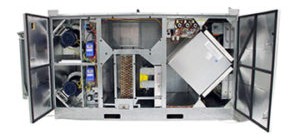
Energy recovery systems help address this challenge by preconditioning incoming ventilation air using energy already available in the exhaust air stream.
This can be particularly beneficial in applications with substantial exhaust and outdoor-air requirements.
Your content goes here. Edit or remove this text inline or in the module Content settings. You can also style every aspect of this content in the module Design settings and even apply custom CSS to this text in the module Advanced settings.
A More Efficient Approach to Air Movement
Recover Energy Before It Goes Out the Door
Michigan Mechanical Systems provides more than individual pieces of HVAC equipment. Our experience with commercial and industrial mechanical systems allows us to consider how energy recovery interacts with the entire ventilation system.
By coordinating energy recovery with custom air handling units, make-up air systems, exhaust and supply fans, louvers and dampers and other HVAC components, we can help develop an air movement solution designed around your building and operating requirements.
Whether you're designing a new mechanical system or looking for ways to improve an existing one, our team can help determine where energy recovery makes sense.
Energy Recovery Technologies
Match the Equipment to the Application
Energy recovery is not a one-size-fits-all solution. Different building types, exhaust conditions and ventilation requirements may call for different methods of transferring energy.
Depending on the application, energy recovery equipment may include:
Energy Recovery Wheels
Rotating heat-exchange media transfers energy between exhaust and incoming outdoor air streams.
Plate Heat Exchangers
Separate air streams pass through a heat exchanger that allows energy transfer without directly mixing the two air streams.
Heat Pipe Systems
Heat pipes can transfer sensible heat between air streams while keeping the supply and exhaust air physically separated.
Run-Around Coil Systems
Separate coils connected through a circulating fluid loop can recover energy when supply and exhaust air streams are located apart from one another.
Michigan Mechanical Systems can help determine which approach is appropriate based on your building, ventilation requirements and mechanical-system design.
Ready to Improve HVAC Efficiency?
Put Exhaust Energy Back to Work
If your facility exhausts large volumes of conditioned air while bringing in significant amounts of outdoor air, energy recovery may help improve the overall efficiency of your HVAC system.
MMS can help evaluate your airflow, ventilation and mechanical-system requirements and determine the right approach for your application.
Let's discuss your facility and find a smarter way to manage ventilation and energy use.